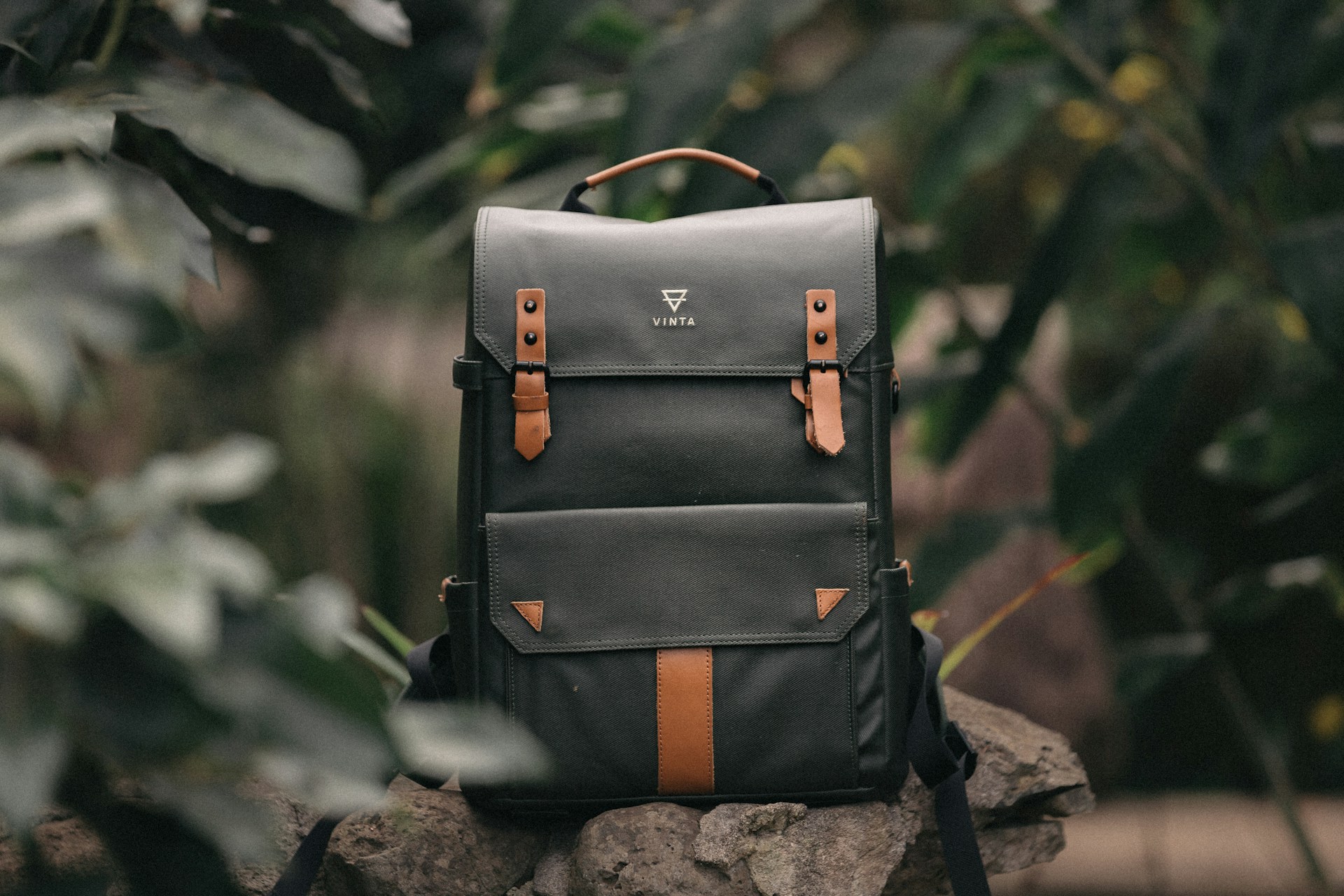
Work Bag or Backpack – Choosing the Right Bag for Your Daily Routine

The right work bag can make a noticeable difference to your daily routine. Whether you commute by train, cycle through the city or walk to the office, your bag needs to carry your belongings comfortably while still fitting your personal style. It should offer enough space for the essentials without becoming unnecessarily large or difficult to organise.
For many people, the choice comes down to a traditional work bag or a practical backpack. Both options have advantages, and the best solution depends on what you carry, how you travel and where you use the bag. By considering comfort, organisation, materials and design, you can find a bag that works for both professional and everyday situations.
Consider what you carry each day
Before choosing a new bag, it is helpful to think about what you normally bring to work. Someone carrying only a phone, wallet and notebook will have different needs from someone transporting a laptop, charger, lunch and gym clothes.
Common workday essentials include:
- Laptop or tablet
- Charging cables
- Phone and wallet
- Notebook and pens
- Headphones
- Water bottle
- Lunch or snacks
- Keys and access cards
- A light jacket or umbrella
Make a realistic list rather than choosing the largest bag available. An oversized work bag can quickly become heavy because there is always room to add more. A bag with enough space for your regular belongings and a little extra capacity will usually be more comfortable.
Why choose a backpack for work?
A backpack is a practical choice for people who travel regularly or carry several items. Because the weight is distributed across both shoulders, it can feel more balanced than a bag carried on one side.
This can be especially useful when walking longer distances, cycling or using public transport. Both hands remain free, making it easier to hold a bicycle handlebar, carry a coffee or use a phone.
Modern backpacks are available in designs that feel appropriate for professional environments. A simple shape, neutral colour and clean exterior can give a backpack a polished appearance without making it overly formal.
You can explore different backpack designs here:

When comparing options, look beyond the exterior. The placement of compartments, the shape of the straps and the way the bag opens can have a significant impact on how convenient it is to use.
The benefits of a traditional work bag
A traditional work bag can offer a more structured appearance. Depending on the design, it may be carried by hand, over one shoulder or with a detachable strap. This type of bag is often suitable for meetings, office settings and days when you do not need to carry too much.
A structured work bag can also make documents, notebooks and smaller belongings easier to access. You can place the bag beside a desk and reach into it without removing it from your back or opening several compartments.
The potential disadvantage is that carrying the weight on one side can become uncomfortable, particularly when the bag contains a laptop and other heavy items. If you choose this style, look for comfortable handles and an adjustable shoulder strap.
Protecting your laptop
For many people, a laptop is the most important item in their work bag. It should be protected from scratches, bumps and contact with other belongings.
A suitable laptop compartment should:
- Match the size of your device
- Keep the laptop separate from other items
- Include padding around the sides
- Hold the device securely
- Be easy to access when needed
It is also worth considering the compartment’s position. A laptop stored close to the back of a backpack will generally feel more stable than one positioned near the front. In a shoulder bag, the device should not move around too freely when you walk.
Check the dimensions carefully before ordering. Laptop sizes are often described according to screen measurements, but the overall dimensions can vary between models.
Organisation makes everyday use easier
A bag may look spacious from the outside but still be inconvenient if it has no internal organisation. Without separate compartments, cables, keys and smaller items can quickly disappear beneath larger belongings.
Useful features can include:
- A padded computer sleeve
- A zipped pocket for valuables
- Smaller sections for chargers and pens
- An external pocket for quick access
- A separate area for a water bottle
- A key attachment
- Space for documents or a notebook
The ideal number of compartments depends on your preferences. Some people like a place for every item, while others prefer one large main section with only a few smaller pockets.
Too many sections can make it difficult to remember where everything is stored. A simple arrangement with clearly defined areas is often sufficient for daily use.
Choose a design that works beyond the office
A versatile work bag should not feel limited to the workplace. A backpack that works for commuting may also be useful for weekend activities, short journeys or casual meetings.
Neutral shades are easy to combine with different outfits, but a more distinctive colour can make the bag feel personal. Consider the clothes you wear most often and whether the bag should blend in or become a visible part of your outfit.
Shape is equally important. A slim backpack can suit a professional wardrobe, while a softer and more flexible design may feel more relaxed. If you frequently move between formal and casual settings, a clean and uncomplicated style will usually be the most adaptable.
Materials and daily maintenance
A work bag is exposed to repeated use, changing weather and contact with floors, seats and bicycle baskets. The material should therefore suit your routine.
When comparing materials, consider:
- Resistance to everyday wear
- Ease of cleaning
- Weight when empty
- Performance in light rain
- How the material changes over time
- Whether the structure remains stable
A lightweight bag can be particularly valuable if you already carry a laptop and other heavy equipment. The weight of an empty bag may not seem important in a product description, but it becomes noticeable during a long commute.
It is also sensible to check the care instructions. Some surfaces can be wiped clean easily, while others require more careful maintenance.
Comfort matters during the commute
Comfort should be a priority, especially if the bag is worn for more than a few minutes at a time. For a backpack, adjustable shoulder straps help position the bag correctly, while padding can reduce pressure when the load is heavy.
The bag should sit close to the body rather than hanging too low. A backpack that moves from side to side can feel uncomfortable and may place unnecessary strain on the shoulders.
For a traditional work bag, test whether the handles feel comfortable and whether the shoulder strap can be adjusted to the right length. A wider strap can help distribute the weight more evenly.
Finding the right computer bag
If carrying a laptop is part of your daily routine, it may be helpful to focus on bags designed specifically for computers. These options typically combine device protection with space for chargers, documents and personal items.
You can view different computer bags here:
Think about whether you need a bag solely for office essentials or one that can also hold lunch, sportswear or items for an overnight stay. Choosing the right capacity from the beginning can prevent the bag from becoming overfilled.
Work bag or backpack?
The final decision depends on your commute and working habits. A backpack is often the practical choice for cyclists, pedestrians and anyone carrying heavier equipment. A traditional work bag may be better for shorter journeys, meetings or situations where a structured appearance is important.
Some people benefit from choosing a design that combines the two. A bag with both backpack straps and carrying handles can offer greater flexibility throughout the day.
Whichever style you select, focus on the details that affect daily use. Capacity, laptop protection, comfortable straps and useful compartments are more important than choosing a bag based solely on appearance.
A well-designed work bag should make the commute easier, keep belongings organised and fit naturally into different parts of your routine. When practical features and personal style are balanced, the bag can become a reliable companion for workdays, travel and everything in between.